

I bought the Instant Pot Duo on a Tuesday in February because my neighbor Joanna would not stop talking about how it changed her weeknights. My kids, Maddox (11) and Petra (8), eat completely different things. One wants noodles, one wants chicken, and I have exactly 40 minutes between getting home and the point where someone starts whining that they are starving. I figured if the Instant Pot could solve that problem, it was worth the counter space.
Four months later, I use it three or four nights a week. But if I am being fully honest, the first three weeks were genuinely frustrating. Not because the appliance is bad. It is not bad at all. But because the videos and blog posts I read before buying made it sound like you press a button and dinner appears. That is not what happens, and nobody tells you that before you hand over the money. So that is what this review is about: the parts nobody mentions.
The Quick Verdict
A genuinely useful appliance that takes 2-3 weeks to learn properly. The learning curve is steeper than most reviews admit, but once you are past it, it earns its spot on the counter.
Amazon Check Today's Price →Before you Google 'why is my Instant Pot not sealing' at 6pm, read this first.
The Instant Pot Duo is a solid appliance. It will also confuse you in at least four specific ways before it becomes second nature. If you want to buy one knowing exactly what you are getting into, today's price on Amazon is the place to start.
Amazon Check Today's Price on Amazon →The Pre-Pressurization Time Nobody Puts in the Recipe
This is the one that got me the most. Every Instant Pot recipe says something like: 'Cook on high pressure for 10 minutes.' You read that, do the math, and plan dinner around it. Then you discover that 10 minutes does not mean 10 minutes. It means 10 minutes of actual cooking time, after the pot builds up enough pressure to start, which can take anywhere from 8 to 25 minutes depending on how much liquid is inside and how cold your ingredients are.
The first time I made chicken thighs from the fridge, I put them in at 5:45pm expecting dinner at 6:05pm. We ate at 6:34pm. That is not a catastrophe, but it matters when your kids have already poured cereal because they were convinced dinner was not coming. Now I add 15 to 20 minutes onto every recipe time in my head, and I plan from there. Once you know this, it is not a problem. But I wish someone had told me plainly before I started.
The build time varies most with frozen ingredients and large volumes of cold liquid. A full pot of beef broth from the fridge takes noticeably longer to pressurize than the same recipe made with room-temperature water. If you are using frozen chicken directly from the freezer, budget closer to 25 minutes before the cooking clock even starts ticking.
The Sealing Ring Will Absorb Every Smell in Your Kitchen
The silicone ring that sits inside the lid is what makes the Instant Pot actually seal. It works extremely well. It also functions like a sponge for every flavor you have ever cooked. I made a chicken tikka masala on a Thursday night. The following Sunday, I made oatmeal for the kids. Petra asked why her oatmeal smelled like curry. It did. Not overwhelmingly, but enough that she noticed and refused to eat it.
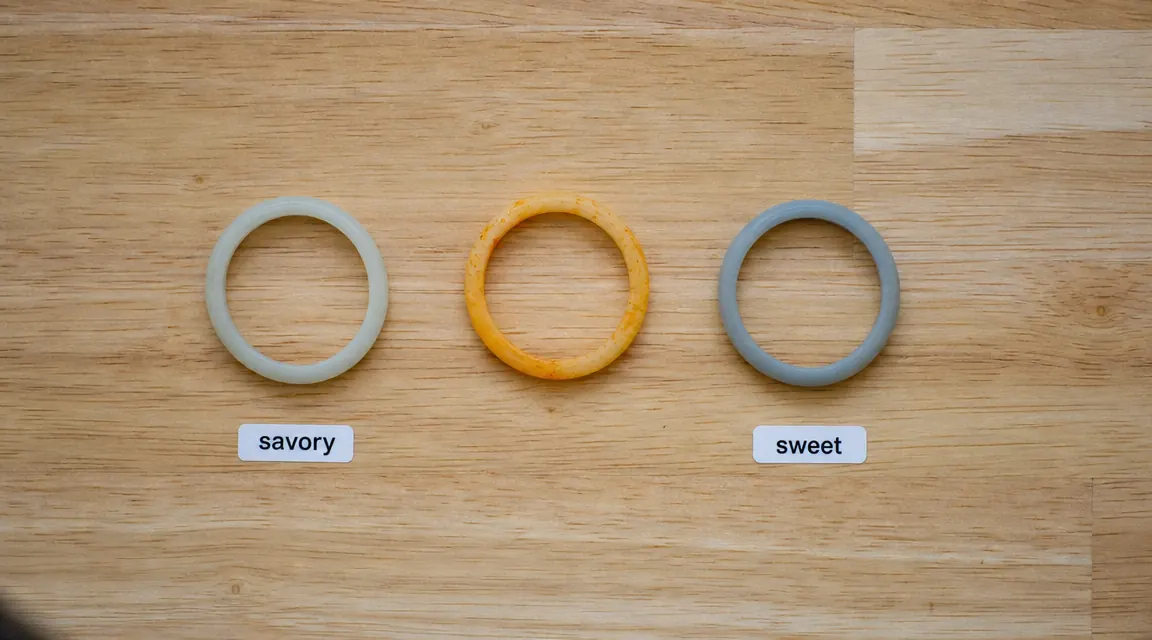
The fix is to buy a second sealing ring and use one for savory meals and one for sweet or neutral cooking. Instant Pot sells them in a two-pack, and they are not expensive. You can also store the ring outside the lid between uses, which helps some. But the underlying issue is just the nature of silicone, and it does not fully go away no matter how thoroughly you wash it. If you are going to use this pot for both curries and desserts, plan on two rings from day one. I learned this the hard way with oatmeal.
The Steam Release Is Loud and It Will Startle You Every Time
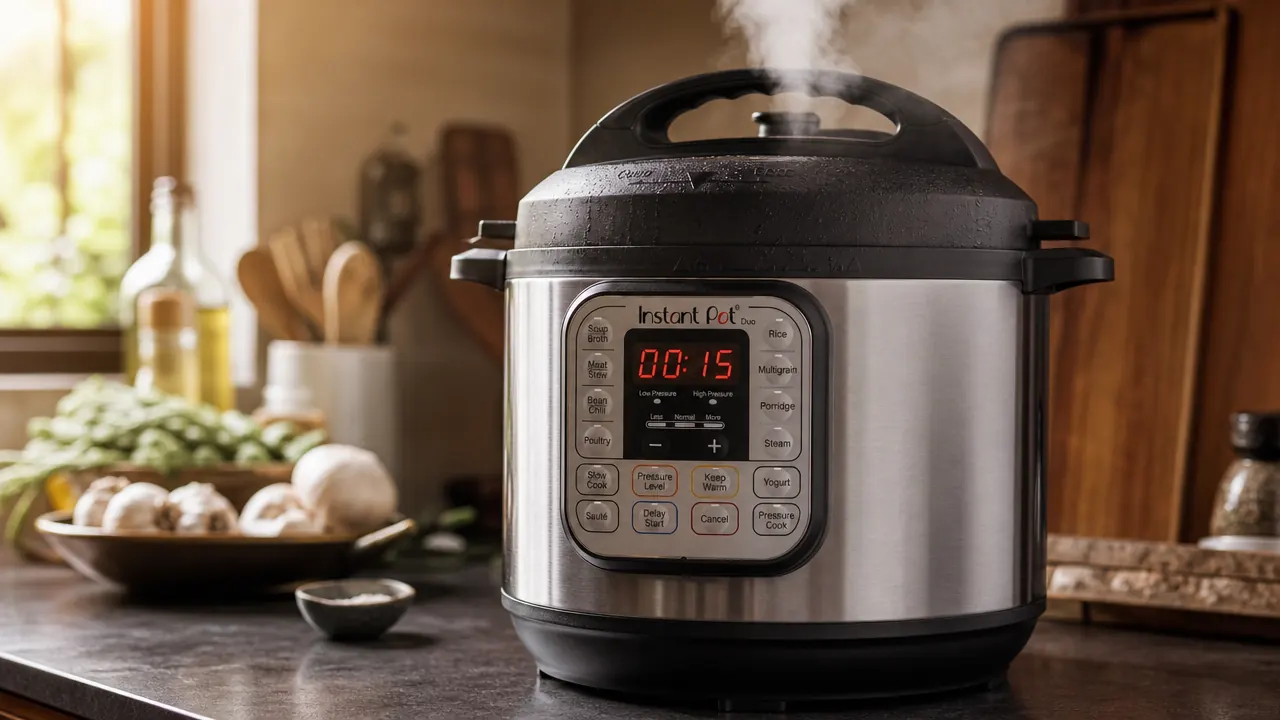
When you manually release pressure by turning the valve from 'sealing' to 'venting,' it makes a noise. The best way I can describe it: imagine someone turned on a very aggressive shower directly next to your ear. It is a sustained, forceful hiss that shoots hot steam upward and lasts anywhere from one to four minutes depending on how much liquid you cooked with. The first time it happened, my dog Luna ran out of the kitchen and did not come back until the sound stopped.
This is not a defect. It is just how pressure release works. But the internet somehow glosses over this completely. Reviews say 'quick release' like it is a casual thing. It is not casual. You also need to make sure nothing is above the steam vent: no cabinet handles, no overhanging shelf, nothing your hand could accidentally pass over. The steam is hot enough to cause a real burn. I keep a folded dish towel over the vent handle whenever I turn it, just as a habit. The first few times I did not, and I got misted on my wrist.
The steam release sounds like someone turned on an aggressive shower next to your ear. My dog left the kitchen and did not come back for ten minutes. This is not a defect. It is just how it works, and nobody warns you.
Natural pressure release, where you just leave the pot alone and let pressure drop on its own, is quieter and gentler. For soups, braises, and anything with a lot of liquid, I default to natural release now. It takes longer, usually 15 to 20 additional minutes, but there is no drama. For rice or anything where I want to stop cooking immediately, I use quick release with the towel over the valve.
The Learning Curve Is Real and It Takes Three Weeks
I want to be specific here because vague warnings are useless. The Instant Pot Duo has seven modes: pressure cook, slow cook, rice, steam, saute, yogurt, and warm. Of those, I use pressure cook probably 80 percent of the time and saute maybe 15 percent. The others I have used maybe once or twice. The control panel is straightforward once you know what you are doing, but the first week, I hit 'slow cook' three times when I meant 'pressure cook' because the buttons are labeled similarly and I was working fast.
The bigger learning curve is figuring out which recipes work well and which ones require technique adjustments. Thick sauces tend to trigger a burn notice because they stick to the bottom before building pressure. The fix is to add liquid first, cook the protein or grains, then add thick sauces after. I did not know this until I got three burn notices on tomato-based recipes and had to scrub the pot each time. I also did not know that pasta absorbs a lot of liquid during cooking and needs a precise amount, or it comes out mushy or dry. These are the kinds of things that recipe blogs mention in paragraph 11 of a 14-paragraph post.
By week three, things clicked. I had made enough mistakes to understand the patterns. I knew which cuts of meat responded well, how much liquid to add for different dishes, and when to let pressure release naturally versus quickly. That is when the appliance genuinely started saving me time. Before that point, it was adding stress. I want to be honest about that, because if someone had told me to push through the first three weeks, I might have been less tempted to shove it in a cabinet.
What I Actually Cook In It Now
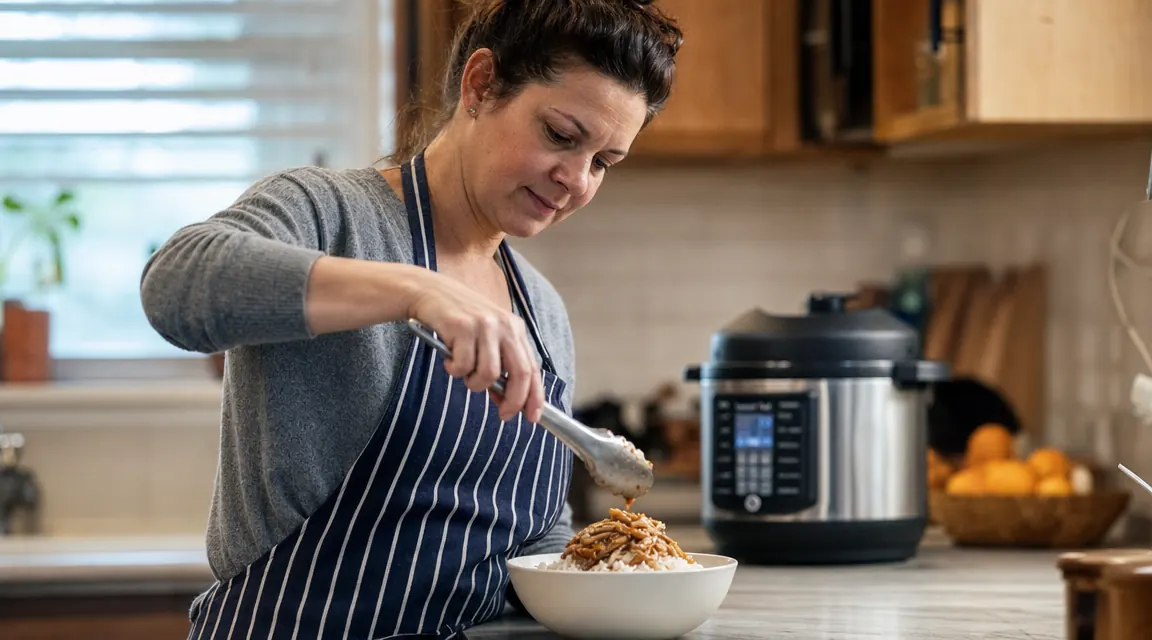
Now that I am past the learning curve, here is the real answer to 'is it worth it.' My most-used recipe is pulled chicken. Two pounds of bone-in thighs, a cup of chicken broth, garlic, salt. Twenty minutes on high pressure, natural release, then shred with two forks. It takes about three minutes of hands-on time. I can serve it over rice one night, in tacos the next, and fold it into a quick quesadilla the third night. That is three dinners from 30 minutes of actual work. That is the real value proposition.
I also use it for rice regularly, because the rice mode is genuinely foolproof once you get the water ratio right (I use a 1:1 ratio for white rice and it comes out perfect). Soups and chilis work very well. Maddox is on a lentil soup kick and I can make a full pot in about 25 minutes of total time including pressure build. Hard-boiled eggs come out easy to peel every single time, which sounds minor but used to be a small aggravation in my mornings.
What I do not use it for: searing a steak, anything that needs a crispy exterior, or dishes that are already fast on the stovetop. If something takes 15 minutes in a skillet, the Instant Pot does not save time because of the pressurization overhead. It earns its keep with things that would otherwise take 45 minutes or more.
The Saute Function Is Actually Good and Gets Underused
One thing I did not expect to appreciate as much as I do: the saute mode. You can brown meat or aromatics directly in the pot before switching to pressure cook. This eliminates a dirty pan, which on a Wednesday night is not a small thing. I use it to brown ground turkey for taco meat and to soften onions and garlic before pressure cooking a soup. The pot itself conducts heat well enough that the saute step actually browns things rather than just steaming them, which I was skeptical about before trying.
The one limit is that the inner pot is stainless steel and food sticks if you are not using enough oil or if you walk away. This is also what causes burn notices, because those stuck bits activate the sensor. Deglaze the bottom with a splash of liquid after sauteing and before switching to pressure mode. That one habit will prevent 90 percent of burn notices in my experience.
What I Liked
- Pulled chicken, soups, chilis, and lentils genuinely faster than stovetop once you know what you are doing
- Saute mode means one fewer dirty pan on busy nights
- Rice mode is consistent and foolproof after you nail the water ratio
- Built solidly: lid, inner pot, and controls have held up to daily use without any issues
- Easy to clean: inner pot is dishwasher-safe and the lid disassembles fully
Where It Falls Short
- Pre-pressurization time is not disclosed in most recipes and will throw off your timing the first dozen times
- Sealing ring absorbs cooking smells permanently unless you buy a second ring for sweet dishes
- Quick steam release is startlingly loud and produces hot steam that can burn if you are not careful
- Thick sauces and tomato-based recipes trigger burn notices until you learn to layer liquids correctly
- Does not replace a skillet for searing or anything needing a crispy crust
The Cleanup Situation
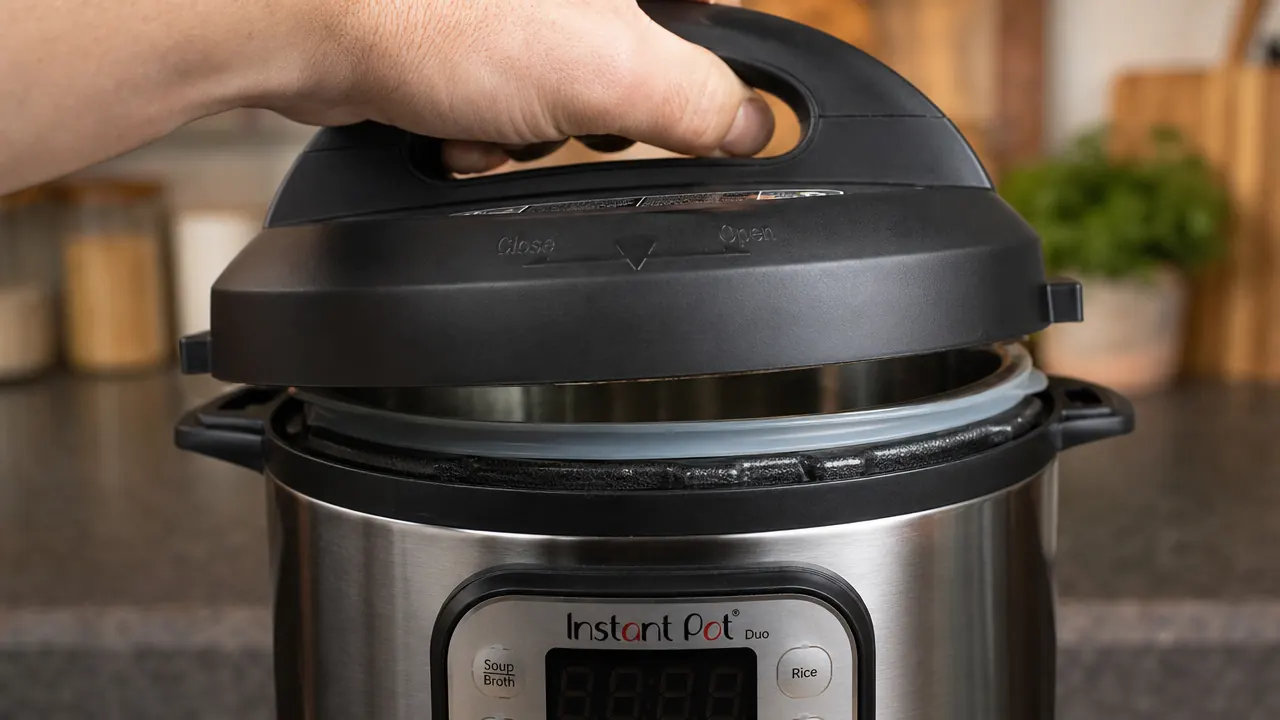
The inner pot is dishwasher-safe and I put it in the dishwasher almost every time. The lid requires hand washing, but it disassembles completely: the sealing ring pulls off, the float valve lifts out, and the steam release assembly comes apart for cleaning. It sounds like more steps than it is. In practice, I rinse the lid under the faucet, wipe the inside of the lid with a sponge, and put everything on the drying rack. It takes maybe four minutes. The outer housing just wipes down with a damp cloth.
Compare that to my Dutch oven, which weighs about 12 pounds and takes real effort to scrub. The Instant Pot cleanup is genuinely easier. I give this one to the Instant Pot without hesitation.
Who This Is For
This appliance is a good fit for you if you cook batch meals, if you regularly make soups, braises, beans, rice, or tough cuts of meat, and if you are willing to spend two or three weeks learning the quirks before expecting it to save you time. It is also a good fit if you like set-it-and-walk-away cooking. The Instant Pot lets you walk away once it is sealed. You cannot do that with a stovetop pot. That alone is worth something on a school night.
It is also worth mentioning that the 6-quart Duo, which is the standard version, is the right size for a family of three to five. I have four people at my table when the kids eat with me, and I have never run out of capacity. For couples or single cooks, the 3-quart would probably be plenty, though the 6-quart is what most recipes are written for, so the 6-quart tends to be easier to follow along with.
Who Should Skip It
If you mostly cook quick weeknight things that already take 20 minutes or less, the Instant Pot will not save you time because of the pressurization overhead. If you are a one-person household who rarely cooks large batches, the size and learning investment may not pay off. If you are easily frustrated by appliances that have a learning curve, give yourself an honest moment before buying. The first few weeks can feel like the pot is working against you, and some people never push through that phase and end up with an expensive shelf decoration.
I would also say: do not buy it expecting it to replace your stovetop. It is not a replacement. It is a supplement that excels at specific things. The people who love it most are the people who figured out their two or three go-to recipes and repeat them confidently. If you are looking for inspiration to cook sixty different things, you might spend more time scrolling recipe apps than actually cooking. If you are looking for a reliable workhorse for a small rotation of family favorites, it is excellent.
If you want to dig deeper into how the Duo compares to other options, I wrote a full breakdown comparing it to a traditional slow cooker at the Instant Pot vs slow cooker comparison. And if you want to see how I use it for a full week of dinners rather than just one recipe at a time, my other Instant Pot weeknight meals review covers that in detail.
Four months in, I would buy this again. Just with two sealing rings from day one.
The Instant Pot Duo is the real deal once you know what you are working with. The learning curve is about three weeks. The sealing ring smell issue is solved with a second ring. The steam release is loud but manageable. After that, it becomes one of the most useful things in my kitchen. If you want to check current pricing and confirm the size that fits your household, Amazon is the right place to start.
Amazon Check Today's Price on Amazon →